
Snow Leopards to Wild Horses: Mongolia Opens Its Wilderness to Singapore Wildlife Lovers
News originally published by
EIN Presswire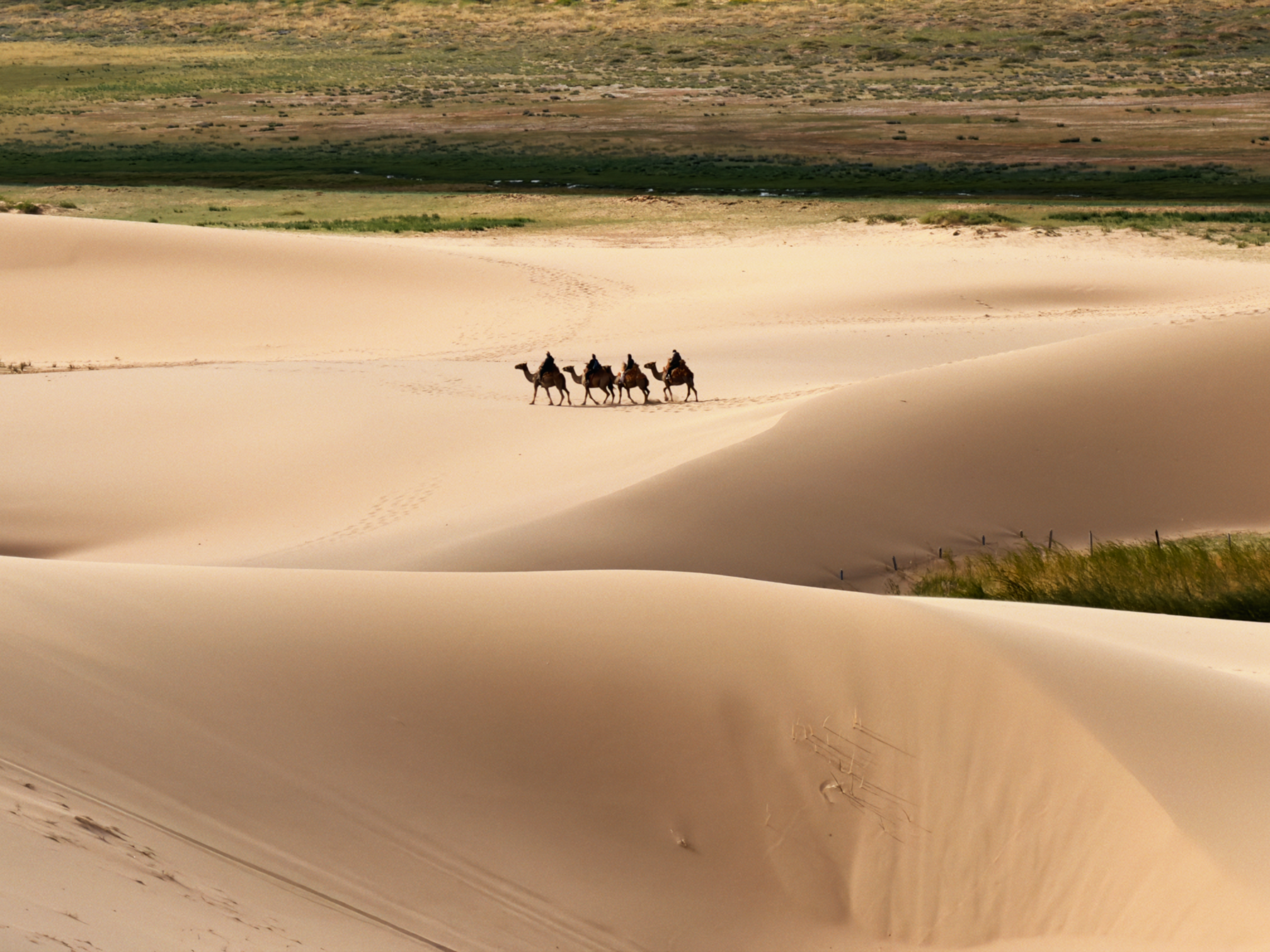
Camels in desert

Mongolia is the perfect place for wildlife encounters

Driving through Mongolia's winter wonderland

Lake Khuvsgul becomes a shimmering natural highway

Rare wildlife encounters during Mongolia tours
A photographic journey through Mongolia
ULAANBAATAR, MONGOLIA, November 17, 2026 /EINPresswire.com/ -- Singapore is one of the world’s most compact places. Mongolia is the opposite. With fewer people than Singapore spread over a land more than 2,000 times larger, it is one of Earth’s last true wildernesses, and it is now inviting Singaporean travellers to experience it. Across its grassy steppes, the Gobi Desert and the Altai Mountains live some of Central Asia’s rarest animals, a “Big Five” that stands comparison with any wildlife destination. A unique photographic tour lead to Mongolia's wild animals: Mongolia travel at its best.Snow Leopard: The Phantom of the Altai
Rarely seen and almost mythical, the snow leopard is the emblem of Mongolia’s wild mountains. The country is home to one of the largest populations of this vulnerable cat, living in the Altai and other high ranges. Guided expeditions led by experienced local trackers now give visitors a real chance of spotting one.
Argali: The Giant of the High Slopes
The world’s largest wild sheep carries spiralling horns that can reach more than six feet. Living on the rocky slopes and high grasslands of the Altai, the argali is also a key food source for the snow leopard, showing how closely the species of this mountain ecosystem depend on one another.
Takhi: The Wild Horse That Came Back
Declared extinct in the wild, the takhi, or Przewalski’s horse, has returned thanks to decades of international conservation work. Herds now roam free in Mongolia’s grasslands, especially in Khustai National Park, a short journey from Ulaanbaatar. For visitors with limited time, it is among the most dependable wildlife encounters in the country.
Wild Bactrian Camel: Survivor of the Desert
Not to be confused with its domestic relatives, the wild Bactrian camel is critically endangered and lives in some of the toughest desert on the planet. Seen only in remote parts of the Gobi, this hardy two-humped animal is one of the world’s rarest large mammals and a living example of resilience.
Gobi Bear: Mongolia’s Rarest Resident
Known locally as the mazaalai, the Gobi bear lives in just one small, secluded corner of the Gobi, and only a few dozen remain. Shy and sandy-coloured, it stands as a national symbol of conservation and a dream sighting for dedicated wildlife enthusiasts.
More Than Five
Mongolia’s wildlife goes well beyond its headline species. The country supports around 139 mammal species and nearly 450 bird species, among them the Siberian ibex, corsac fox, saiga antelope and Altai snowcock. For visitors from one of the most densely populated countries in the world, the sight of wildlife in such vast, untouched space is unforgettable.
Travelling with Care
Many of these animals are vulnerable or endangered, under pressure from fragmented habitats, a changing climate and conflicts with people. Protected areas such as Gobi Gurvansaikhan National Park, Khustai National Park and the Altai Tavan Bogd region work with international partners to safeguard them, and they welcome responsible travellers who support local communities and conservation programmes.
Journeys Built Around You, by Explorer.Company
Explorer.Company designs private Mongolia wildlife tours to match each traveller’s pace, interests and appetite for adventure. Choices include multi-day snow leopard tracking in the Altai, guided time with wild takhi herds and trips into remote Gobi bear territory. The company works with local guides and conservation groups to keep every journey immersive and low-impact, and itineraries can be shaped for families, photographers or experienced wildlife trekkers. To find out more and begin planning, visit www.explorer.company.
Sophia J. Smith
Explorer.Company Mongolia
+ +976 9000 7008
Visit us on social media:
LinkedIn
Instagram
Facebook
YouTube
In search for the snow leopard: Wildlife tour in Mongolia
Legal Disclaimer:
EIN Presswire provides this news content "as is" without warranty of any kind. We do not accept any responsibility or liability for the accuracy, content, images, videos, licenses, completeness, legality, or reliability of the information contained in this article. If you have any complaints or copyright issues related to this article, kindly contact the author above.
